
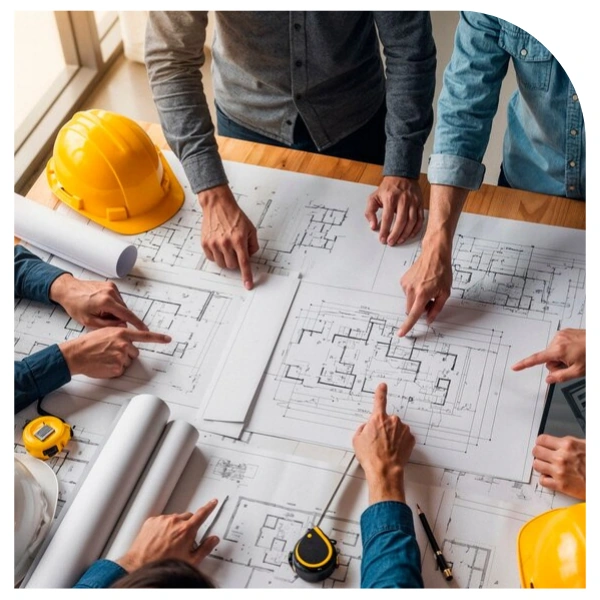
Project Planning
Project planning is the first and most important step in any successful construction project. It involves understanding the project goals, evaluating site conditions, and developing a clear strategy to ensure the construction process runs smoothly from start to finish.
Careful planning helps define timelines, allocate resources, and organise tasks in a structured manner. By identifying potential challenges early, the project can move forward efficiently while maintaining quality and safety standards.
A well-developed project plan provides a strong foundation for construction, ensuring every stage is properly coordinated and aligned with the project’s scope, budget, and timeline.
Budget Management
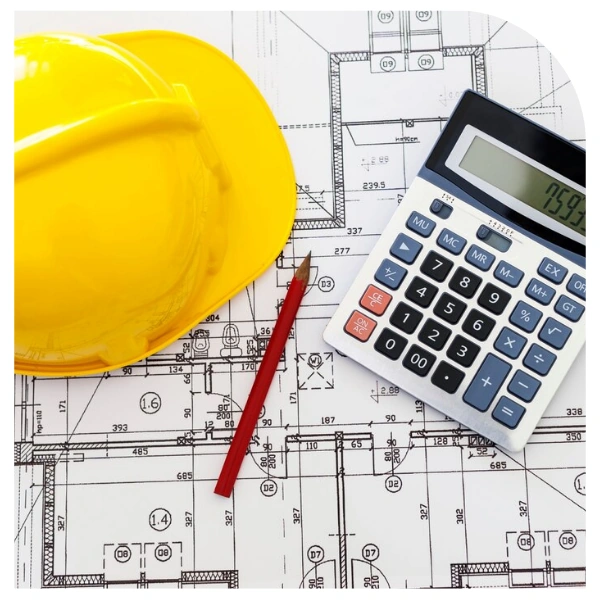
Budget management plays a crucial role in ensuring a construction project is completed within the planned financial limits. Careful cost planning and monitoring help control expenses while maintaining the required quality and project standards.
The process involves estimating costs, allocating resources effectively, and tracking expenditures throughout each stage of construction. This helps prevent unexpected costs and ensures that financial decisions support the overall project objectives.
With strong budget management practices, projects can be delivered efficiently while maintaining financial transparency, cost control, and long-term value.

Contractor & Supplier Coordination
Effective coordination with contractors and suppliers is essential for a smooth and successful construction project. It ensures that all materials, labour, and equipment are available when needed and that tasks are completed on schedule.
This process involves clear communication, scheduling deliveries, managing subcontractors, and monitoring performance to avoid delays or disruptions. Proper coordination also helps maintain quality standards and ensures compliance with project specifications.
By efficiently managing contractors and suppliers, construction projects can progress smoothly, reduce risks, and achieve timely, high-quality outcomes.
Timeline Management
Timeline management is critical to ensuring that a construction project is completed on schedule. It involves planning each stage of the project, setting realistic deadlines, and monitoring progress to keep the work on track.
By tracking tasks, coordinating teams, and addressing potential delays early, projects can maintain efficiency and avoid costly overruns. Effective timeline management also ensures that resources are used optimally and that milestones are achieved as planned.
With proper timeline management, construction projects are delivered on time without compromising quality, safety, or overall project objectives.


Quality Assurance
Quality assurance ensures that every aspect of a construction project meets the highest standards of workmanship, materials, and safety. It involves systematic inspections, testing, and monitoring throughout the building process to maintain consistency and reliability.
By implementing strict quality control measures, potential issues are identified and resolved early, reducing errors and ensuring that the finished project meets design specifications and regulatory requirements.
A strong quality assurance approach guarantees durable, safe, and high-performing buildings while providing clients with confidence in the long-term value and integrity of their construction project.
Risk Management
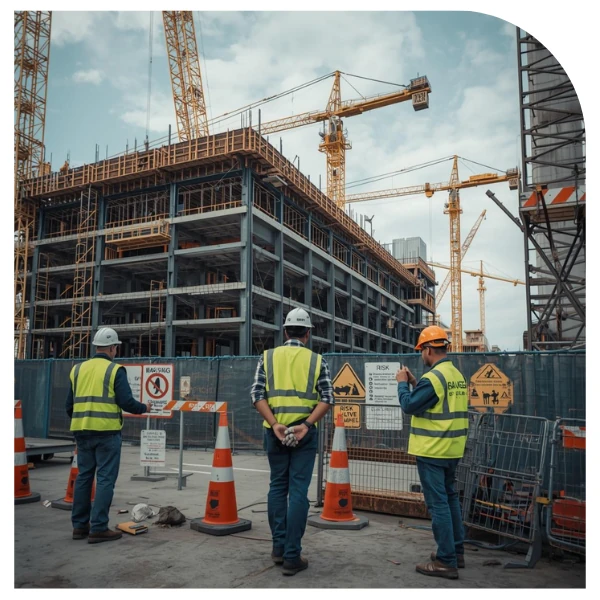
Risk management is a vital part of construction projects, helping to identify, assess, and mitigate potential challenges before they impact timelines, costs, or safety. It ensures that all risks—whether financial, operational, or environmental—are proactively managed throughout the project.
By implementing effective risk strategies, issues such as delays, unexpected costs, or safety hazards can be minimised or avoided entirely. This includes careful planning, monitoring, and regular communication with all stakeholders.
A strong risk management approach ensures that projects progress smoothly, remain on schedule, and achieve high-quality outcomes while protecting both the team and the client’s investment.
Compliance & Certification
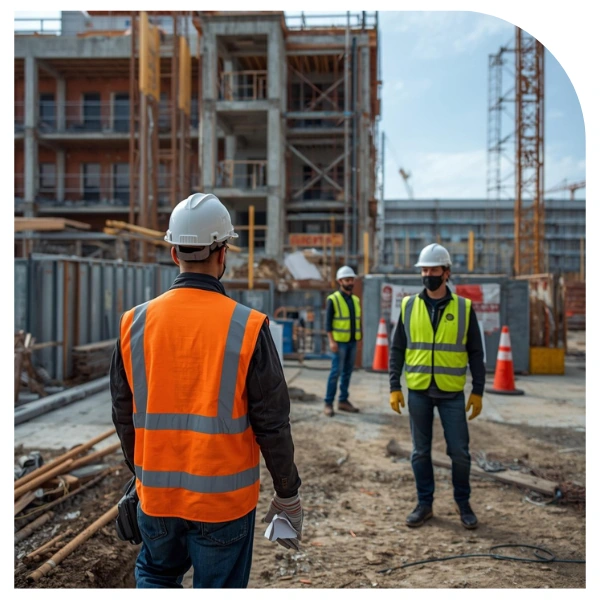
Compliance and certification ensure that every construction project adheres to local building codes, safety regulations, and industry standards. This process verifies that materials, designs, and construction practices meet legal and regulatory requirements.
By maintaining strict compliance, projects avoid legal issues, safety risks, and potential delays, while ensuring the building is safe, durable, and fit for purpose. Certification also provides clients with confidence that the project meets professional standards.
A focus on compliance and certification guarantees that construction work is completed responsibly, safely, and to the highest industry benchmarks.
HAVE QUESTIONS?
Frequently Asked Questions
Find answers to common questions about our construction services, project process, and how MAKCS Pty Ltd delivers reliable building solutions.